

Breast Reduction Surgery Toronto
Find Lasting Relief & Renewed Confidence with Compassionate Breast Reduction Surgery
If you’re struggling with the physical discomfort and emotional burden of large, heavy breasts, you’re not alone. Many women in Toronto suffer from chronic neck, back, and shoulder pain, skin irritation, and difficulty with daily activities — all caused by oversized breasts. Dr. Waqqas Jalil understands how deeply these challenges affect your quality of life. With expert breast reduction surgery, he can help you regain comfort, mobility, and confidence, creating beautifully natural, proportionate breasts tailored to your body.
Cost
$13,000 (Non OHIP)
$5,500 (OHIP + Contouring)
$9,500 (OHIP+ Auto-Augmenation)
Recovery Time
2 week feeling good and back to work
6 weeks full recovery
Length of Surgery
2-3 Hours
What Is Breast Reduction Surgery?
Breast reduction surgery (reduction mammoplasty) is a trusted surgical procedure designed to relieve the physical and emotional strain of overly large breasts. By carefully removing excess breast tissue, fat, and skin, this surgery reduces breast size while enhancing shape and symmetry, resulting in a lighter, more comfortable bust.
Unlike breast augmentation, breast reduction focuses on improving function and comfort alongside aesthetics. If large breasts have caused pain, restricted movement, or lowered your self-esteem, this procedure can be life-changing.
Why Choose Breast Reduction Surgery?
For many individuals, excessively large breasts can lead to a range of uncomfortable and limiting symptoms that affect physical health, mobility, and self-esteem. At Aspect Plastic Surgery in Yorkville, Toronto, Dr. Waqqas Jalil specializes in breast reduction surgery designed to alleviate these issues and restore a more balanced, functional, and confident you.
Common concerns associated with overly large breasts include:
- Chronic neck, shoulder, and upper back pain caused by the constant strain of breast weight
- Skin irritation, chafing, rashes, or infections beneath the breast fold due to moisture buildup and friction
- Postural issues that contribute to physical fatigue, muscle tension, and decreased mobility
- Limitations with physical activity, making it difficult to exercise, run, or engage in sports comfortably
- Difficulty finding properly fitting bras and clothing, leading to frustration with wardrobe choices and body image
- Emotional discomfort or self-consciousness related to breast size, shape, or disproportion
If you’re experiencing any of these symptoms, breast reduction surgery offers a compassionate and effective solution. Dr. Jalil’s approach is highly personalized, blending aesthetic precision with functional improvement. With advanced training in both reconstructive and cosmetic plastic surgery, he is uniquely equipped to help patients achieve relief from physical discomfort while enhancing natural body proportions.
At Aspect Plastic Surgery, your comfort, safety, and outcome are prioritized every step of the way. Discover how a breast reduction can transform not only your silhouette — but also your quality of life.
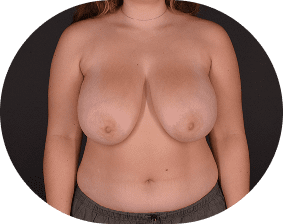
Before
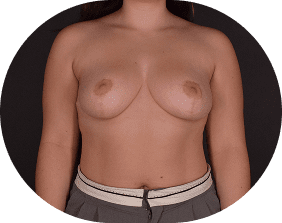
After
Dr. Jalil’s Personalized and Compassionate Breast Reduction Approach
Dr. Waqqas Jalil is a dual board-certified plastic surgeon known for his empathetic patient care and meticulous surgical skill. He understands that breast reduction is not just about changing your appearance—it’s about improving your health, comfort, and emotional well-being.
During your consultation, Dr. Jalil will take the time to listen to your concerns and goals, thoroughly assess your unique anatomy, and create a customized surgical plan. His goal is to deliver natural-looking, balanced breasts that complement your body shape while providing significant relief from discomfort.
Before
After
Surgical Techniques Tailored to You
Dr. Jalil offers advanced breast reduction techniques to minimize scarring while maximizing results:
- Anchor (Inverted-T) Incision: Ideal for larger reductions, this technique provides the greatest reshaping ability by making incisions around the areola, vertically down, and along the breast crease.
- Vertical (Lollipop) Incision: Best suited for moderate breast reductions, it uses fewer incisions with minimal scarring and effective lifting.
- Periareolar (Donut) Incision: Designed for minor reductions and lift, this approach leaves scars only around the areola and is best for subtle changes.
Dr. Jalil will recommend the safest and most effective technique based on your breast size, skin quality, and desired outcome.
What to Expect During Your Consultation
Your breast reduction journey begins with a thorough, caring consultation. Dr. Jalil will:
- Review your medical history and understand the physical symptoms impacting your life
- Evaluate your breast size, shape, skin condition, and overall health
- Discuss your personal goals, lifestyle, and expectations
- Explain all surgical options, benefits, and potential risks in detail
- Develop a fully personalized surgical plan that prioritizes your comfort, safety, and natural results
The Breast Reduction Procedure
Performed under general anesthesia in Toronto’s accredited surgical facility, the procedure typically lasts 2–4 hours and involves:
- Precise incisions based on the chosen technique
- Removal of excess breast tissue, fat, and skin
- Repositioning and resizing of the nipple and areola to suit the new breast shape
- Reshaping and lifting the breast for a firmer, balanced contour
- Meticulous closure to minimize scarring and promote healing
Dr. Jalil’s expert technique ensures results that look and feel natural, while easing your physical discomfort.
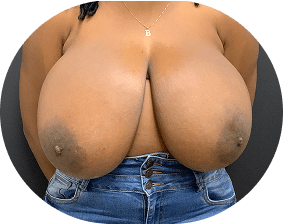
Before
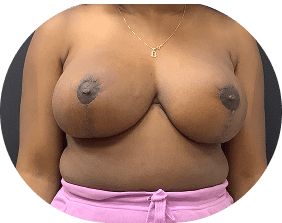
After
Recovery & Aftercare
Healing times vary, but most patients experience:
- Mild swelling, bruising, and discomfort in the first few days, managed with medication
- Gradual return to light activities within 1–2 weeks
- Avoidance of heavy lifting and strenuous exercise for 3–4 weeks
- Wearing a supportive surgical bra as directed to aid healing and shape
- Follow-up appointments to monitor progress and ensure optimal recovery
Dr. Jalil and his team will provide detailed aftercare instructions and support throughout your recovery.
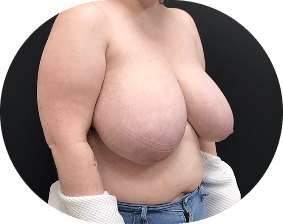
Before
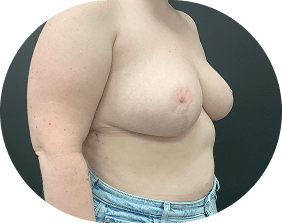
After
Benefits of Breast Reduction Surgery
Patients often seek breast reduction not only for aesthetic reasons, but also to relieve the physical and emotional strain caused by disproportionately large breasts. Whether you’re experiencing pain, discomfort, or limitations in your day-to-day life, Dr. Jalil takes a personalized, patient-centred approach to ensure your outcome is both beautiful and functional.
Key benefits of breast reduction surgery include:
- Relief from chronic pain: Significant reduction or elimination of persistent neck, back, and shoulder pain caused by the weight of large breasts.
- Improved posture and mobility: Better spinal alignment and freedom of movement can lead to a more active and comfortable lifestyle.
- Reduction in skin irritation: Elimination of painful rashes, chafing, and skin infections that commonly occur beneath the breasts.
- Greater ease with physical activity: Many patients report increased enjoyment and capability in exercise and sports following surgery.
- Enhanced fit and comfort in clothing: A more proportional figure can open up wardrobe options and improve how bras and clothes fit.
- Boost in confidence and body image: Breast reduction often leads to improved self-esteem, allowing patients to feel more comfortable in their bodies.
At Aspect Plastic Surgery in Yorkville, Dr. Jalil works closely with each patient to design a surgical plan that prioritizes safety, proportion, and aesthetic harmony. His extensive training in both reconstructive and aesthetic plastic surgery ensures that every procedure is tailored to the individual — balancing form and function.
Risks and Important Considerations
While breast reduction is generally safe, it’s essential to be aware of potential risks such as:
- Visible scarring (which typically fades over time)
- Temporary or permanent changes in nipple or breast sensation
- Breast asymmetry or contour irregularities
- Possible difficulty with breastfeeding
- Rare risks including infection, bleeding, or delayed wound healing
Dr. Jalil prioritizes your safety and takes every precaution to minimize risks and optimize outcomes.
Are You a Good Candidate for Breast Reduction?
Ideal candidates are women who:
- Experience physical discomfort or emotional distress from large breasts
- Are in good overall health with realistic surgical expectations
- Have completed breast development and are not pregnant or breastfeeding
- Are committed to following pre- and post-operative care instructions
- Are non-smokers or willing to quit before surgery for better healing

Why Choose Dr. Waqqas Jalil for Breast Reduction in Toronto?
Dr. Jalil combines dual board certification, specialized fellowship training, and a genuine, compassionate approach to deliver superior breast reduction results. His commitment to individualized care, safety, and artistry has made him a trusted choice for breast surgery in Toronto.
Located in Yorkville, Dr. Jalil performs all surgeries in a fully accredited, state-of-the-art facility, ensuring your safety and comfort throughout your journey.
Take the First Step Toward Comfort & Confidence
If large breasts are holding you back from living fully and comfortably, Dr. Waqqas Jalil can help. Schedule a confidential consultation today to explore your breast reduction options and begin your path to relief and renewed self-confidence.
Contact our Toronto office now to book your appointment.
Before & After Gallery
Breast Reduction Surgery FAQ
General Questions
What is breast reduction surgery?
Breast reduction surgery, also known as reduction mammaplasty, is a surgical procedure that removes excess breast tissue, fat, and skin to reduce the size and weight of the breasts. It aims to create a more proportionate breast size while relieving physical discomfort and improving posture and mobility.
What symptoms can breast reduction help relieve?
Common symptoms that breast reduction can address include chronic neck, back, and shoulder pain, skin irritation or rashes beneath the breasts, difficulty exercising, and poor posture.
Is breast reduction a cosmetic or medical procedure?
It can be both. While many patients seek the procedure for aesthetic improvement, it is also considered medically necessary when large breasts cause pain, limited mobility, or skin problems.
How is breast reduction surgery performed?
During surgery, incisions are made to remove excess tissue and reposition the nipple-areola complex. The breasts are reshaped to achieve a lifted, smaller contour. The exact technique depends on the size and shape of the breasts and the amount of reduction needed.
Will my breasts be lifted during a reduction?
Yes. Breast reduction typically includes a lifting component, as excess skin is removed and the breasts are reshaped into a more elevated position.
Can I choose how much smaller my breasts will be?
Your preferences will be considered, but the final size depends on factors like body proportions, current breast size, and safety. Your surgeon will guide you toward a size that is both aesthetically pleasing and physically beneficial.
Is breast reduction permanent?
The results are long-lasting, but breasts can still change due to aging, weight fluctuations, pregnancy, or hormonal shifts.
Will I lose nipple sensation after surgery?
Temporary changes in nipple sensitivity are common, but sensation typically returns over time. In some cases, partial or permanent changes can occur, depending on the surgical technique used.
Will I still be able to breastfeed after breast reduction?
Some patients retain the ability to breastfeed, but it can be reduced due to changes in glandular tissue and milk ducts during surgery.
Is breast reduction painful?
Some discomfort is expected during the recovery process, but it is usually manageable with prescribed pain medications and proper post-operative care.
Who is Candidate?
Who is a good candidate for breast reduction?
Adults in good overall health experiencing physical discomfort, skin issues, or emotional distress due to large breasts are typically good candidates. A stable weight and realistic expectations are also important.
Can teenagers have breast reduction?
In some cases, teenagers with severe symptoms may be eligible, especially if growth has stabilized and the breast size is significantly impacting quality of life.
Is there an age limit for breast reduction?
There is no strict age limit, but candidates must be healthy enough to undergo surgery and anesthesia safely.
Should I wait until after having children to get a reduction?
Breast reduction can be done before or after pregnancy. However, future pregnancy and breastfeeding may impact the results, so timing is an important consideration.
What if I plan to lose weight?
It’s generally recommended to reach a stable, healthy weight before surgery, as significant weight loss afterward can affect the surgical outcome.
Can men undergo breast reduction?
Yes. Men with gynecomastia (excess male breast tissue) may undergo a similar procedure, although it’s technically different from female breast reduction.
Do I need a referral from my doctor?
In some cases, a referral may be required for insurance purposes or medical evaluations, especially if the procedure is being considered for health-related reasons.
Can breast reduction help with asymmetrical breasts?
Yes. If one breast is significantly larger than the other, reduction can help achieve a more symmetrical appearance.
Will insurance cover breast reduction surgery?
If the procedure is deemed medically necessary, it may be partially or fully covered. Pre-authorization and documentation of symptoms are often required.
Can I get a reduction if I have implants or had previous surgery?
Yes, but additional planning may be needed depending on your surgical history and current anatomy.
Procedures & Techniques
How long does breast reduction surgery take?
The procedure typically takes between 2 to 4 hours, depending on the extent of tissue removal and surgical technique.
What types of incisions are used?
Common incision patterns include the anchor (inverted T), vertical (lollipop), and occasionally periareolar (around the nipple only). The choice depends on breast size and degree of sagging.
Will my nipples be moved?
In most cases, the nipple-areola complex is repositioned higher on the breast to match the new shape and contour.
Are the nipples removed and reattached?
No, unless the reduction is extremely large. In standard procedures, the nipple remains attached to its blood and nerve supply while being repositioned.
What is liposuction-only breast reduction?
For certain patients, liposuction can reduce breast volume without skin removal. This is typically suitable for those with good skin elasticity and minimal sagging.
Is the surgery done under general anesthesia?
Yes, breast reduction is usually performed under general anesthesia to ensure comfort and safety.
Can breast reduction be combined with other surgeries?
Yes. Common combinations include tummy tuck, liposuction, or arm lift procedures for a more comprehensive body contouring result.
What happens to the removed breast tissue?
Removed tissue is usually sent for pathology to ensure it is healthy. It is disposed of according to medical protocols.
How do surgeons ensure breast symmetry during surgery?
Measurements are carefully taken before and during surgery to maintain balance, and adjustments are made as needed during the procedure.
Is the areola resized during breast reduction?
Yes. If the areolas are stretched or disproportionate, they are often resized to better match the new breast shape.
Recovery & Healing
What is the typical recovery time?
Most patients can return to light activities within one week and resume work in 1 to 2 weeks. Full recovery, including exercise and heavy lifting, may take 4 to 6 weeks.
Will I need to stay overnight in the hospital?
Breast reduction is usually an outpatient procedure, but an overnight stay may be recommended in some cases for observation.
How much time should I take off work?
Most people take 7 to 14 days off, depending on the nature of their job and the extent of surgery.
When can I exercise again?
Light walking is encouraged early in recovery, but strenuous activity and upper body workouts should be avoided for at least 4 to 6 weeks.
What kind of bra should I wear after surgery?
A surgical or support bra is typically worn 24/7 for several weeks to aid healing and reduce swelling. Underwire bras should be avoided during recovery.
How should I sleep after breast reduction?
Sleeping on your back with your upper body slightly elevated helps reduce swelling and prevents pressure on the healing breasts.
Are drains used after surgery?
Drains may be placed to remove excess fluid, though not all surgeons use them. If used, they are usually removed within a few days.
When can I shower after surgery?
Patients are usually allowed to shower 24 to 48 hours post-op, unless instructed otherwise. Soaking in baths or pools should be avoided for several weeks.
What are the most common side effects after surgery?
Temporary swelling, bruising, numbness, and soreness are normal. These symptoms typically subside within a few weeks.
How do I minimize scarring?
Following aftercare instructions, avoiding sun exposure, and using silicone scar treatments or prescribed ointments can help minimize scar appearance.
Results
When will I see the final results?
Initial changes are visible immediately, but swelling may take several weeks to fully resolve. Final results usually appear after 3 to 6 months.
How long do the results of breast reduction last?
With a stable weight and healthy lifestyle, results can last many years. Natural aging will still affect breast shape over time.
Will my breasts look natural after surgery?
Yes. The goal is to create a proportional, lifted, and natural-looking breast shape that suits your body.
What if I want a smaller or larger reduction than average?
The amount of tissue removed can be tailored to your preferences and anatomy, balancing aesthetic goals with medical safety.
Can breast tissue grow back after reduction?
While regrowth is rare, hormonal changes, weight gain, or pregnancy may increase breast size again over time.
What happens if I gain or lose weight after surgery?
Significant weight changes can alter breast shape and size. Maintaining a stable weight helps preserve results.
Can I have revision breast reduction surgery?
Yes, if you’re unhappy with a previous reduction or if breast size increases again, revision surgery may be an option.
Will I need future surgeries?
Most patients do not, but some may choose future procedures for aesthetic reasons or to maintain results as aging occurs.
Will my breasts look the same immediately after surgery?
Swelling and healing can temporarily distort the final appearance. Be patient — the shape and contour will refine over time.
Will my breasts look the same immediately after surgery?
Patients often experience long-lasting relief from physical pain, improved posture, better quality of life, and enhanced self-confidence after surgery.