

C-Section Scar Removal & Revision Surgery in Toronto
Restore Confidence. Refine Your Results.
A Caesarean section (C-section) is a common and often necessary method of childbirth, but the resulting scar can be a lasting concern for many individuals. Whether it’s raised, indented, wide, discoloured, or causing discomfort, a poorly healed C-section scar can affect both your confidence and body image. At Aspect Plastic Surgery in Yorkville, Toronto, we offer C-section scar revision surgery to improve the appearance and texture of your scar, helping you feel more comfortable and confident in your body.
Cost
$3,000+
Recovery Time
1 week feeling good and back to work
6 weeks full recovery
Length of Surgery
<1 Hour

What Is C-Section Scar Revision Surgery?
C-section scar revision is a plastic surgical procedure designed to improve the appearance, shape, and position of the scar left after a Caesarean delivery. In some cases, the procedure also addresses tethering of the scar to underlying tissues, discomfort, or overhanging skin, especially when combined with a mini tummy tuck or abdominal contouring.
This procedure is highly individualized and may involve:
Scar Resurfacing or Blending Techniques
If the scar is discoloured, raised, or indented, resurfacing methods such as dermabrasion, chemical peels, or laser treatments may be used to smooth texture and blend the scar into surrounding skin, improving both appearance and skin tone.
Correction of Abdominal Contour Irregularities
Many C-section scars are accompanied by uneven skin contours, such as a noticeable “shelf” or overhang of skin and fat above the scar. These areas can be carefully contoured during revision to restore a smooth, natural lower abdominal profile.
Optional Liposuction or Lower Abdominal Tightening
In some cases, especially after pregnancy or weight changes, scar revision is combined with targeted liposuction or a mini tummy tuck to address excess fat, skin laxity, or underlying muscle separation. This creates a more comprehensive rejuvenation of the lower abdomen and enhances overall results.

Who Is a Good Candidate?
You may be a suitable candidate for C-section scar removal or revision surgery if you:
- Have a raised, wide, indented, or discoloured scar from a prior Caesarean delivery
- Experience pain, itching, or discomfort at the scar site
- Have a noticeable bulge or “shelf” of skin above the scar that bothers you aesthetically
- Are in good general health and at a stable weight
- Are not currently pregnant and have finished breastfeeding (if applicable)
- Have realistic expectations about the outcome
Patients often seek this procedure several months or even years after delivery, once the scar has fully matured and they are ready to focus on healing and self-care.
How Is C-Section Shelfing Treated?
Non-surgical methods like diet, exercise, and topical treatments often have limited success in eliminating the C-section shelf, especially when excess skin or significant scar tethering is present.
For lasting improvement, surgical intervention is typically required. Depending on the extent of the shelf and your aesthetic goals, treatment options include:
1. C-Section Scar Revision
- Removes the original scar
- Releases tethered tissue
- Re-closes the incision with refined surgical technique for a flatter result
2. Mini Tummy Tuck (Mini Abdominoplasty)
- Targets the lower abdomen only
- Removes excess skin and fat below the belly button
- Tightens the lower abdominal muscles if needed
- Ideal for patients with minimal loose skin above the belly button
3. Full Tummy Tuck
- Recommended if loose skin and muscle separation extend beyond the lower abdomen
- Tightens the entire abdominal wall and removes excess skin and fat
- Includes C-section scar removal and repositioning of the belly button
4. Liposuction
- Used alone or in combination with other procedures
- Targets stubborn fat deposits above the C-section scar to smooth the contour
C-Section Scar removal — Understanding C-Section Shelfing
For many individuals who have delivered via Caesarean section, the recovery doesn’t end with the birth. One of the most common post-surgical concerns is a C-section “shelf” — a stubborn bulge or overhang of skin and tissue that sits just above the C-section scar. This shelf can be both physically uncomfortable and emotionally frustrating, especially when it persists long after the body has otherwise healed.
At Aspect Plastic Surgery in Yorkville, Toronto, we offer specialized surgical solutions to address C-section shelfing, helping patients restore a smoother, more confident abdominal contour.
C-Section Shelf Correction in Toronto
At Aspect Plastic Surgery, we offer advanced surgical options for C-section shelfing correction, tailored to your needs and performed in a safe, accredited facility in Yorkville, Toronto. Whether you’re considering a scar revision, a mini tummy tuck, or a comprehensive post-pregnancy body contouring plan, we’re here to guide you every step of the way.
What to Expect During the Procedure
C-section scar revision is usually performed under local anesthesia with sedation or general anesthesia, depending on the extent of correction needed.
Steps typically include:
- Assessment and Planning: The scar and surrounding tissues are carefully evaluated to determine the best surgical approach.
- Excision of the Old Scar: The previous scar is removed, and the area is reshaped or smoothed.
- Precise Reclosure: The incision is closed in layers to promote a flatter, more refined scar.
- Optional Additions: Some patients choose to combine scar revision with liposuction, abdominal muscle tightening, or mini-abdominoplasty to improve overall contour.
The entire procedure typically takes 1 to 2 hours, and most patients return home the same day.

Recovery Timeline
- Downtime: Most patients resume light activity within 2–3 days
- Sutures: Typically removed or dissolve within 7–10 days
- Swelling & Bruising: Common and usually resolves within 1–2 weeks
- Final Results: Visible within 3–6 months as the scar matures and fades
Patients can expect a flatter, smoother, and less noticeable scar, often hidden below the bikini line. In cases where skin contouring or liposuction is performed, the entire lower abdominal area may appear more toned and youthful.
Can C-Section Scar Revision Be Combined with Other Procedures?
Yes. Many individuals choose to combine C-section scar revision with other post-pregnancy body procedures, including:
- Mini Tummy Tuck (mini abdominoplasty)
- Full Tummy Tuck for more extensive muscle and skin tightening
- Liposuction for improved contouring
- Stretch mark removal or laser resurfacing
- Mommy Makeover surgery, which may also include breast procedures
These combination approaches allow for comprehensive aesthetic improvement, especially for those looking to address multiple concerns after childbirth.
Why Choose Aspect Plastic Surgery for C-Section Scar Revision in Toronto?
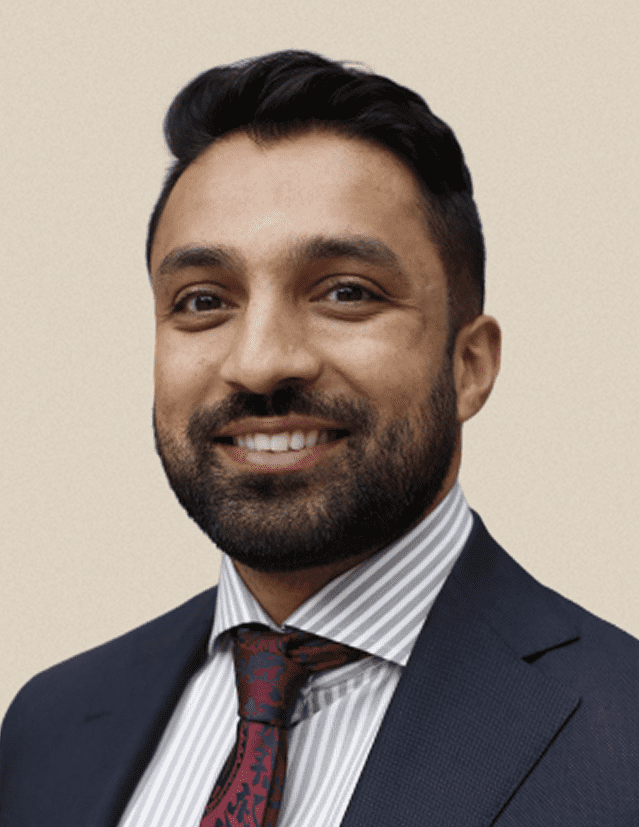
Our clinic provides personalized, results-driven care in the heart of Yorkville, Toronto. With advanced training in both reconstructive and aesthetic procedures, our plastic surgeon uses refined techniques to minimize scarring, improve skin texture, and restore body confidence. Every treatment is tailored to your individual needs — whether you’re seeking simple scar revision or a full post-pregnancy transformation.
Book Your Consultation
Take the next step toward feeling confident in your skin. Schedule a private consultation to learn more about C-section scar revision surgery and explore your personalized treatment options.
C-Section Shelving & Scar Removal FAQ
General Questions
What is C-section shelving and how does it form?
C-section shelving refers to the visible bulge or overhang of skin and fat that sits just above the C-section scar, often described as a “shelf.” It forms due to scar tissue adhesion between the skin and underlying abdominal muscles, combined with skin laxity and localized fat deposits after a Caesarean delivery.
Why do some women develop a “shelf” above their C-section scar?
Shelving occurs because the healing process after a C-section creates scar tissue that can tether the skin down, while muscle separation (diastasis recti) and fat accumulation lead to an uneven contour, causing the skin to fold over the scar.
What is involved in C-section scar removal surgery?
C-section scar removal surgery involves excising the old scar tissue, releasing adhesions that cause tethering, and carefully closing the wound with advanced plastic surgery techniques. This not only improves scar appearance but also smooths the abdominal contour.
Can plastic surgery completely fix C-section shelving?
Yes, plastic surgery offers effective solutions such as scar revision, mini or full tummy tuck (abdominoplasty), and liposuction, all of which target the underlying causes of shelving—excess skin, fat, and scar adhesion.
Is shelving after C-section a common post-pregnancy problem?
Many women experience some degree of C-section shelving, especially after multiple pregnancies, weight fluctuations, or if the scar healing was complicated by infection or poor tissue repair.
How does scar tissue adhesion contribute to shelving?
Scar tissue can bind the skin tightly to the abdominal wall muscles, preventing smooth skin movement and causing a puckered or folded appearance above the scar, which forms the characteristic “shelf.”
Will exercising the abdominal muscles reduce C-section shelving?
While exercise can strengthen muscles and reduce fat, it usually cannot reverse shelving caused by scar adhesion and excess skin, which require surgical correction.
When is the best time to consider C-section shelving surgery?
Most plastic surgeons recommend waiting at least 6 to 12 months after delivery to allow the C-section scar to mature and the body to stabilize before considering scar removal or shelf correction surgery.
Is C-section shelving the same as a C-section scar?
No. The C-section scar is the linear mark from the surgical incision. Shelving describes the fold or overhang of skin and fat above this scar, often caused by scar tethering and skin laxity.
Can plastic surgery improve overall abdominal contour after a C-section?
Absolutely. Procedures such as abdominoplasty, scar revision, and liposuction can be combined to remove excess skin and fat, release scar tissue, and restore a flatter, smoother abdominal profile.
Who is a Candidate?
Who makes a good candidate for C-section shelving correction and scar removal surgery?
Ideal candidates are women in good overall health with stable body weight, persistent shelving or scar irregularities that don’t improve with time or exercise, and realistic expectations about surgical outcomes.
Can younger women or new mothers undergo C-section scar revision?
Yes. Once the scar has fully healed and the body has recovered post-delivery, younger women can safely pursue scar revision or shelving correction surgery.
Do multiple C-sections increase the likelihood of shelving?
Yes. Multiple C-sections increase scar tissue formation and abdominal wall changes, which can worsen shelving and abdominal contour irregularities.
Is it better to wait until after completing family planning to have shelving surgery?
Yes, because future pregnancies can stretch the abdominal skin and muscles again, potentially reversing surgical improvements.
Is C-section shelving surgery suitable for all skin types and ethnicities?
Yes. Board-certified plastic surgeons tailor techniques to minimize scarring and pigmentation changes for all skin tones and types.
Can men undergo scar revision or abdominal contouring after surgery?
Though rare, men who have abdominal scars from surgery or trauma can also benefit from scar revision and body contouring procedures.
Are patients with medical conditions like diabetes candidates for this surgery?
Patients with well-controlled diabetes or other chronic conditions may be candidates but require thorough medical evaluation and close monitoring to ensure safe healing.
Is the surgery primarily cosmetic or can it relieve physical symptoms?
While mainly cosmetic, surgery can also alleviate discomfort caused by skin folds, irritation, or restricted movement due to shelving.
Should I be at my ideal weight before undergoing surgery?
Yes, maintaining a stable weight prior to surgery helps achieve the best and most durable results.
Can smokers safely have C-section shelving and scar removal surgery?
Smoking impairs wound healing and increases complication risks, so quitting several weeks before and after surgery is strongly advised.
Procedures & Techniques
What surgical options address C-section shelving?
Options include scar excision and revision, mini tummy tuck, full abdominoplasty, liposuction, or a combination tailored to the patient’s anatomy and goals.
How is C-section scar removal surgery performed?
The surgeon removes the existing scar tissue and releases adhesions beneath it, then carefully re-closes the incision using fine suturing techniques to reduce new scar formation.
What is a mini tummy tuck and how does it help with shelving?
A mini tummy tuck removes excess skin and fat below the belly button and tightens lower abdominal muscles, improving shelf contour without extensive surgery.
When is a full tummy tuck recommended instead?
A full tummy tuck is best for more extensive skin laxity, muscle separation, or when shelving and sagging affect the entire lower abdomen.
Is liposuction alone enough to correct shelving?
Liposuction removes fat but cannot address skin excess or scar adhesion, so it is often combined with abdominoplasty or scar revision.
Are laser or non-surgical treatments effective for C-section scar removal?
Laser resurfacing and other non-invasive treatments may improve scar texture and colour but cannot fix shelving or tethering caused by scar tissue.
How do surgeons release scar tethering during surgery?
They carefully dissect the scar tissue from the underlying muscle to free the skin, allowing it to lie flat and smooth.
Will the revised scar be less visible after surgery?
Yes. Plastic surgeons use precise techniques to reposition and close scars discreetly, making them thinner and less noticeable over time.
What anesthesia is used for shelving and scar removal surgery?
Procedures are usually performed under general anesthesia or intravenous sedation, depending on surgical extent and patient preference.
Can this surgery be combined with other body contouring procedures?
Yes, many patients opt to combine it with liposuction, muscle tightening, or mommy makeover procedures for comprehensive post-pregnancy body restoration.
Recovery & Healing
What is the typical recovery timeline?
Initial recovery usually takes 2-4 weeks, with swelling and bruising gradually subsiding. Final results are seen over 3-6 months as tissues settle.
Will surgery leave visible scars?
Scars are strategically placed along or just below the original C-section line and typically fade significantly over time with proper care.
What activity restrictions apply post-surgery?
Patients should avoid heavy lifting, strenuous exercise, and bending for 4-6 weeks to promote healing and prevent complications.
How painful is the recovery period?
Discomfort is managed with prescribed pain medication and usually decreases steadily after the first few days.
When can I return to work or normal activities?
Many patients return to desk jobs within 1-2 weeks; more physical jobs require longer recovery.
Is swelling and bruising normal after surgery?
Yes, moderate swelling and bruising are expected and generally resolve within 2-3 weeks.
Do I need to wear compression garments?
Yes, compression garments reduce swelling, support tissues, and improve contour during recovery.
When can I shower or bathe normally?
Light showering is often permitted within a few days, but baths and soaking should be avoided until cleared by the surgeon.
How should I care for my scars?
Keep scars clean and moisturized, avoid sun exposure, and use silicone sheets or gels as recommended to improve healing.
How many follow-up visits will I need?
Several post-op appointments over weeks to months ensure proper healing and address any concerns.
Results
When will I see final results after surgery?
Swelling reduces after a few weeks, but final, refined results typically appear 3 to 6 months post-op.
How long do surgical results last?
Results can be long-lasting with stable weight and healthy habits but may be affected by future pregnancies or significant weight changes.
Does surgery improve abdominal muscle tone?
Procedures like abdominoplasty include tightening separated abdominal muscles, improving core strength and contour.
Can scar removal improve skin texture and colour?
Yes, revision surgery combined with resurfacing treatments can greatly enhance scar smoothness and reduce discolouration.
Will my abdomen look natural after surgery?
Expert plastic surgery aims for natural, smooth abdominal contours without obvious signs of surgery.
Is it possible to remove all signs of a C-section scar?
Complete scar removal isn’t possible, but surgery can significantly minimize scar visibility and improve aesthetics.
Can shelving correction be combined with other post-pregnancy procedures?
Yes, combining with breast lifts, liposuction, or mommy makeover surgeries yields comprehensive rejuvenation.
How can I maintain my results long-term?
Maintain a stable weight, exercise regularly, and protect scars from sun damage to prolong results.
What happens if I gain weight after surgery?
Weight gain may recreate shelving or sagging skin, potentially diminishing surgical outcomes.
Why choose a board-certified plastic surgeon for C-section shelving and scar removal?
A skilled plastic surgeon offers specialized expertise in anatomy, scar management, and body contouring techniques, ensuring safe surgery and natural-looking, lasting results.