

Blepharoplasty in Toronto
Rejuvenate Tired Eyes with Expert Eyelid Surgery by Dr. Jalil
The eyes are often the first feature to show signs of aging. Loose, sagging eyelid skin, puffiness, and under-eye bags can make you appear tired, stressed, or older than you feel. Blepharoplasty—also known as eyelid surgery—restores a refreshed, youthful appearance by addressing these concerns with precision and care.
At Aspect Plastic Surgery in Yorkville, Toronto, Dr. Jalil performs upper and lower blepharoplasty using advanced techniques that minimize scarring and produce natural-looking, balanced results. His personalized approach ensures your face still looks like you—just brighter and more awake.
Cost
$4500+ (upper)
$6500+ (lower)
Recovery Time
1 week feeling good and back to work
6 weeks full recovery
Length of Surgery
1 Hour

What Is Blepharoplasty?
Blepharoplasty is a surgical procedure that removes or repositions excess skin, fat, and muscle from the upper and/or lower eyelids. It’s commonly performed for both cosmetic and functional reasons:
- Upper Blepharoplasty: Lifts drooping eyelid skin that may impair vision or create a hooded, heavy appearance.
- Lower Blepharoplasty: Reduces puffiness, under-eye bags, and fine wrinkles for a smoother, more youthful contour.
When performed by an experienced facial aesthetic surgeon like Dr. Jalil, eyelid surgery can dramatically improve your appearance while preserving your unique eye shape and character.
Benefits of Eyelid Surgery in Toronto
- Corrects sagging upper lids that may interfere with vision
- Eliminates puffy bags and fat deposits under the eyes
- Tightens excess, wrinkled skin for a more youthful appearance
- Enhances overall facial symmetry and harmony
- Boosts self-confidence with subtle, natural-looking improvements
- Offers long-lasting rejuvenation with minimal downtime
Many patients choose blepharoplasty on its own, while others combine it with a brow lift or non-surgical facial rejuvenation for more comprehensive results.
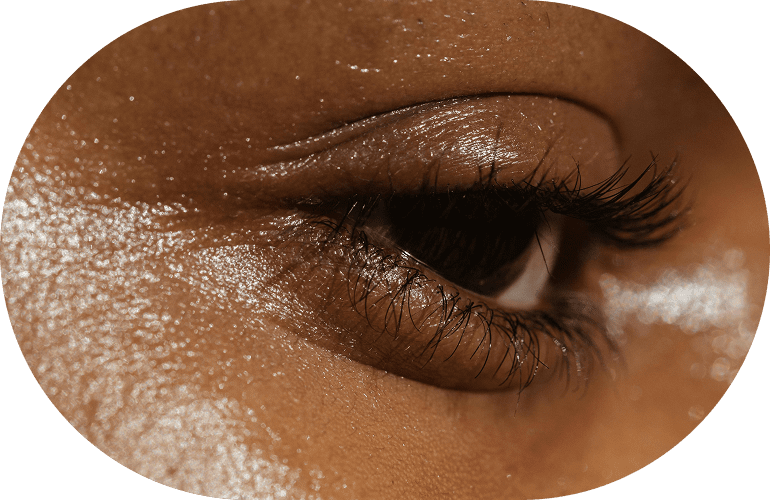
Lower Blepharoplasty vs. Dermal Fillers: Which Is Right for You?
When it comes to rejuvenating the under-eye area, two popular options are lower blepharoplasty (eyelid surgery) and dermal fillers. Each has its unique benefits and is suited to different concerns and patient goals. Dr. Jalil carefully evaluates your anatomy and preferences to recommend the best approach for a refreshed, natural look.
Lower Blepharoplasty
Lower blepharoplasty is a surgical procedure that removes or repositions excess fat, tightens loose skin, and smooths out under-eye bags and wrinkles. It’s ideal for:
- Prominent, bulging under-eye bags that don’t improve with creams or injections
- Excess, sagging skin causing shadows or a tired appearance
- Deep hollows combined with puffiness (sometimes called the “tear trough” deformity)
- Long-term, permanent improvement with natural contour restoration
Pros:
- Long-lasting and often permanent results
- Removes actual excess skin and fat, not just volume replacement
- Addresses multiple issues at once (bags, wrinkles, skin laxity)
Cons:
- Requires surgery with associated recovery time
- Temporary bruising and swelling after the procedure
Dermal Fillers
Dermal fillers are injectable gels (typically hyaluronic acid-based) that restore volume, smooth hollows, and reduce the appearance of dark circles under the eyes. They’re best for:
- Mild to moderate tear trough hollows or volume loss
- Patients seeking a minimally invasive, quick procedure
- Those wanting subtle improvements without surgery or downtime
Pros:
- Quick treatment with little to no downtime
- Immediate visible results
- Can be adjusted or reversed if desired
Cons:
- Temporary results, lasting 6–18 months depending on the filler
- May not fully correct skin laxity or prominent bags
- Risk of swelling, bruising, or lumps if improperly injected
Why Thread Lifts Are Not a Replacement for Blepharoplasty
Thread lifts have gained popularity as a minimally invasive way to “lift” sagging skin using dissolvable threads inserted under the skin. While they might sound appealing for under-eye rejuvenation, Dr. Jalil advises caution when considering threads as an alternative to lower blepharoplasty.
The Limitations of Thread Lifts for the Eyes
- Temporary and Limited Lift: Thread lifts offer only a subtle, short-term lift and do not address the root causes of under-eye aging, such as excess skin and fat bulges. The threads dissolve within months, so results fade quickly.
- Cannot Remove Excess Skin or Fat: Unlike blepharoplasty, threads do not remove loose or sagging skin, nor do they reposition or reduce under-eye fat pockets. This means the primary concerns—under-eye bags and heavy eyelids—remain uncorrected.
- Risk of Complications: Thread lifts in the delicate eye area can cause discomfort, swelling, bruising, and even visible or palpable threads under thin eyelid skin. Poorly placed threads may result in asymmetry or irregular contours.
- No Long-Term Solution: Because the effects are temporary and superficial, many patients end up requiring surgery anyway, often after having delayed the more effective blepharoplasty procedure.
Why Blepharoplasty Remains the Gold Standard
Lower blepharoplasty is a proven, safe, and precise surgical technique that directly addresses the causes of under-eye aging. It removes or repositions excess fat, tightens loose skin, and restores a smooth, youthful contour with lasting results.
Dr. Jalil emphasizes that for significant under-eye bags and sagging, blepharoplasty provides the most natural, durable, and satisfying outcome. Thread lifts cannot substitute this comprehensive correction.
Am I a Candidate for Blepharoplasty?
You may be a good candidate if you:
- Have droopy upper eyelids or under-eye bags
- Notice that your eyes always look tired, even when well-rested
- Experience reduced peripheral vision from excess upper eyelid skin
- Are in overall good health and have realistic expectations
Dr. Jalil provides in-depth consultations at his Yorkville clinic to determine whether upper blepharoplasty, lower blepharoplasty, or both will best address your goals.
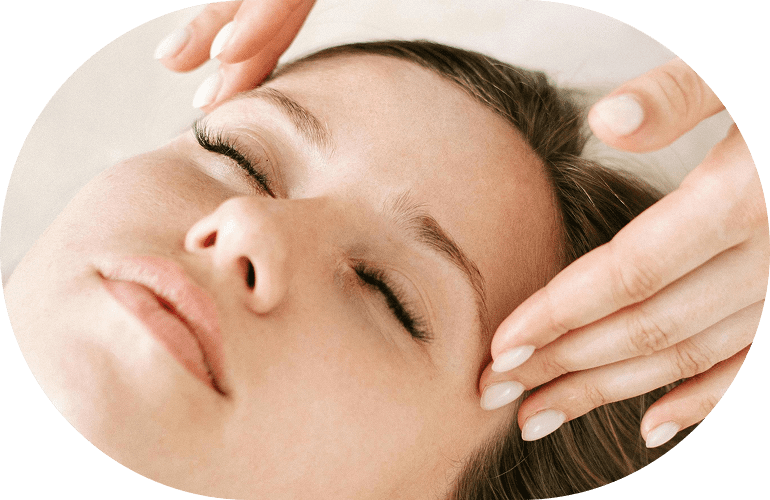
What to Expect: Your Blepharoplasty Journey with Dr. Jalil
Consultation
Your consultation with Dr. Jalil includes a detailed discussion of your concerns, facial anatomy, and surgical goals. He’ll assess eyelid laxity, skin texture, fat distribution, and overall eye shape before developing a fully customized surgical plan.
Procedure
Blepharoplasty is performed under local anesthesia with sedation or general anesthesia, depending on the complexity of the procedure. Dr. Jalil uses meticulous techniques to:
- Hide incisions in natural eyelid creases or inside the lower lid (transconjunctival)
- Remove or reposition fat to reduce puffiness
- Trim and tighten excess skin with minimal tension
Surgery typically takes 1–2 hours, and patients return home the same day.
Recovery
You may experience swelling, bruising, or mild tightness for the first 7–10 days. Most patients feel comfortable returning to social activities or work within 10–14 days. Final results continue to refine over several weeks as swelling fully subsides.
Blepharoplasty Results: How Long Do They Last?
Upper eyelid results often last 10+ years, while lower eyelid improvements are typically long-lasting. While aging continues naturally, your eyes will always look younger than they would have without surgery.
Why Choose Dr. Jalil for Blepharoplasty in Toronto?
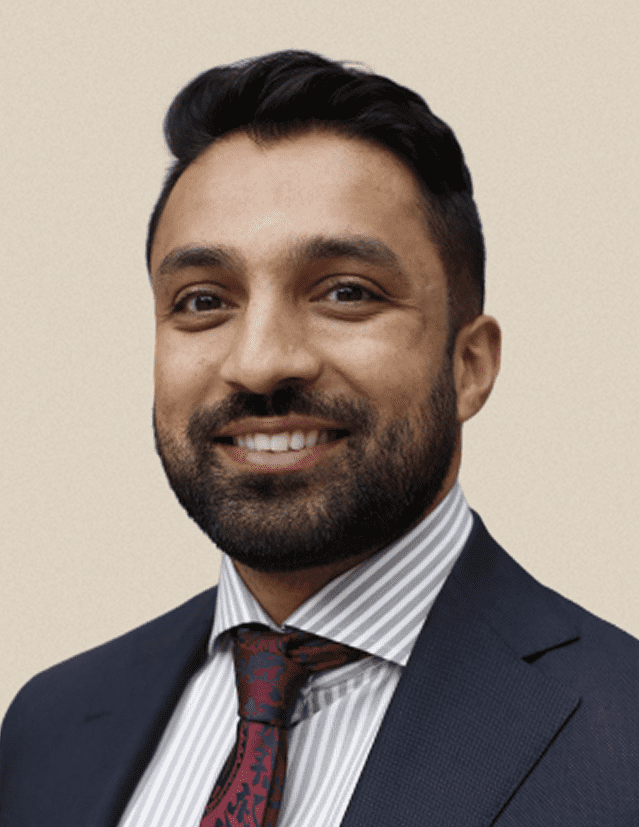
- Dual board-certified in Canada and the U.S.
- Advanced fellowship training in aesthetic and facial surgery
- Natural-looking, balanced outcomes tailored to your features
- Discreet, boutique surgical care in Yorkville’s premier plastic surgery clinic
Dr. Jalil combines artistry, surgical precision, and a patient-first approach to deliver elegant, age-defying results—without altering your natural expression. His techniques prioritize your safety, minimize downtime, and aim for seamless harmony with the rest of your face.
Blepharoplasty FAQ
General Questions
What is blepharoplasty?
Blepharoplasty, commonly known as eyelid surgery, is a surgical procedure designed to improve the appearance and function of the eyelids. It involves removing excess skin, fat, and sometimes muscle from the upper and/or lower eyelids. This surgery can address drooping upper eyelids that impair vision and reduce puffiness or bags under the eyes, giving a more youthful, rested, and alert appearance. At Aspect Plastic Surgery in Yorkville, Dr. Jalil uses precise, modern techniques to create natural-looking, balanced results while maintaining eyelid function.
What concerns does blepharoplasty address?
Blepharoplasty is effective for treating multiple concerns around the eyes including sagging or droopy upper eyelids that may obscure vision, excess skin folds, puffiness caused by fat deposits, under-eye bags, wrinkles, and fine lines. These changes often result from aging, genetics, sun damage, or lifestyle factors and can make the eyes look tired, sad, or older than they are.
What’s the difference between upper and lower blepharoplasty?
Upper blepharoplasty targets the upper eyelids to remove excess skin and fat, often reducing heaviness that can impair peripheral vision or cause a tired look. Lower blepharoplasty focuses on the area beneath the eyes and involves tightening the skin, removing or repositioning fat pads to reduce puffiness and bags, and smoothing wrinkles. The two procedures can be done separately or together for a comprehensive rejuvenation.
Is blepharoplasty only cosmetic?
While many patients choose blepharoplasty for cosmetic reasons, upper eyelid surgery can also have functional benefits. Excess skin on the upper eyelids may droop enough to block part of your field of vision, and blepharoplasty can restore normal sight in these cases. Thus, the procedure can improve both appearance and visual function.
Can blepharoplasty help with dark circles?
Blepharoplasty primarily addresses under-eye bags caused by fat and excess skin but is not designed to treat pigmentation issues that cause dark circles. Dark circles may stem from thin skin, pigmentation, or vascular issues and often require complementary treatments like laser therapy, chemical peels, or fillers for optimal results.
Is blepharoplasty safe?
Yes. When performed by a highly qualified, board-certified surgeon like Dr. Jalil at an accredited surgical facility in Yorkville, blepharoplasty is a safe procedure with a low risk of complications. Comprehensive preoperative assessment and meticulous surgical technique further minimize risks.
How long does the surgery take?
Blepharoplasty typically takes 1 to 2 hours depending on whether upper, lower, or both eyelids are treated. The complexity of the procedure, the need for fat repositioning, or additional treatments can affect surgery duration.
Is general anesthesia required?
Most blepharoplasty procedures at Aspect Plastic Surgery are performed under local anesthesia with intravenous sedation, allowing patients to remain comfortable but awake during surgery. General anesthesia can be used if preferred or recommended for specific cases.
Will there be visible scars?
Incisions are strategically placed in natural creases of the upper eyelids or just below the lashes or inside the lower eyelids, making scars virtually invisible once healed. Dr. Jalil’s precise surgical technique ensures minimal scarring and excellent cosmetic outcomes.
Is blepharoplasty painful?
Patients usually experience mild discomfort rather than significant pain, managed effectively with prescribed medications and cold compresses. Swelling and bruising are common but typically resolve within 1–2 weeks.
Who is a Candidate?
Who is an ideal candidate for blepharoplasty?
Good candidates are adults in general good health who have excess skin or fat around their eyelids causing drooping, puffiness, or bags. Candidates should have realistic expectations about outcomes and be non-smokers or willing to quit to optimize healing.
Can younger people have blepharoplasty?
Yes. Younger patients with hereditary eyelid fullness or early signs of eyelid sagging may benefit from blepharoplasty to correct these concerns before aging advances further.
Is blepharoplasty suitable for older adults?
Absolutely. Many patients in their 60s, 70s, and beyond achieve significant rejuvenation with blepharoplasty, provided they are in good health and have realistic expectations about recovery.
Can blepharoplasty be combined with other procedures?
Yes. Blepharoplasty is often combined with brow lifts, facelifts, or skin resurfacing treatments like lasers to address multiple signs of facial aging for a more harmonious, youthful look.
Do I need to stop smoking before surgery?
Smoking negatively affects wound healing and increases risks of complications. Dr. Jalil requires patients to stop smoking at least 4 to 6 weeks before and after surgery to ensure optimal recovery and results.
Can patients with medical conditions have blepharoplasty?
Patients with stable chronic conditions such as diabetes or hypertension may be candidates, but a thorough medical evaluation is necessary. Dr. Jalil works closely with your healthcare providers to ensure safety.
Will blepharoplasty fix vision problems?
Absolutely; realistic expectations are key to satisfaction and safe outcomes.
What if I have dry eyes?
Dry eye syndrome requires careful preoperative assessment because surgery can exacerbate symptoms. Dr. Jalil will tailor the procedure to preserve eyelid function and may recommend pre- and post-operative treatments to manage dryness.
Can men have blepharoplasty?
Yes. Men often pursue blepharoplasty to correct drooping eyelids and under-eye bags, helping them look more rested and alert while maintaining a masculine appearance.
Is blepharoplasty suitable for all skin types?
Yes. Dr. Jalil has experience performing blepharoplasty on all skin types, customizing techniques to minimize risks such as scarring or pigmentation changes.
Procedures & Techniques
What happens during upper blepharoplasty?
The surgeon makes a discreet incision in the natural crease of the upper eyelid, removes excess skin and fat, and tightens the underlying muscle if needed. The incision is then carefully closed to ensure minimal visible scarring.
What happens during lower blepharoplasty?
For the lower lids, excess fat pads causing puffiness may be removed or repositioned through an incision hidden inside the eyelid (transconjunctival) or just below the lash line. Loose skin is tightened and excess skin may be removed to smooth wrinkles and reduce bags.
What is transconjunctival blepharoplasty?
This approach accesses fat pads through an incision inside the lower eyelid, avoiding external scars. It is ideal for patients who have puffiness but minimal skin laxity.
Can blepharoplasty address under-eye bags caused by fat?
Yes. Lower blepharoplasty specifically targets these fat deposits, either removing or repositioning them to create a smoother, less puffy contour under the eyes.
What is skin-only blepharoplasty?
In cases where only excess skin is the concern and there is no fat bulging, the surgeon removes just the skin to tighten the eyelid without fat manipulation, reducing risks of hollowing.
Is laser blepharoplasty an option?
Laser techniques can be used to make incisions and stimulate collagen, resulting in reduced bleeding and quicker healing, sometimes incorporated into the procedure.
How does blepharoplasty differ from non-surgical treatments?
While fillers, Botox, and laser treatments can improve certain signs of aging around the eyes, they cannot remove excess skin or fat like blepharoplasty. Surgery offers longer-lasting and more dramatic improvement.
Can fillers replace lower blepharoplasty?
Fillers can add volume to hollow under-eye areas but do not remove bags caused by excess fat or skin. For patients with significant puffiness, blepharoplasty is the superior treatment.
What are the risks of eyelid surgery?
Complications are uncommon but may include infection, bleeding, asymmetry, dry or irritated eyes, difficulty closing the eyelids, or temporary changes in vision. Careful patient selection and surgical skill minimize these risks.
Will my eyelid function be affected?
When performed by an experienced surgeon like Dr. Jalil, eyelid function remains intact, preserving normal blinking, tear drainage, and eye protection.
Recovery & Healing
What is the typical recovery time?
Most patients experience swelling and bruising that peak within 2–3 days and gradually improve over 1–2 weeks. Most return to work and social activities in about 7–10 days, though complete healing may take several weeks.
Will I need help after surgery?
Having a friend or family member assist you during the first 1–2 days is recommended to help with basic tasks and ensure safety.
When can I wear makeup again?
Makeup can generally be applied after 10–14 days once incisions have healed sufficiently, allowing you to conceal any residual bruising or redness.
Are there restrictions on activities post-surgery?
Patients should avoid heavy lifting, bending over, strenuous exercise, and swimming for approximately 2 weeks to reduce swelling and risk of complications.
Will I have sutures?
Sutures are usually removed 5–7 days after surgery, unless dissolvable stitches are used, which dissolve on their own.
How do I care for my eyes during recovery?
Applying cold compresses, using prescribed lubricating eye drops or ointments, and keeping the head elevated help reduce swelling and discomfort.
Is bruising normal?
Yes, bruising is common but typically fades within 10 to 14 days.
When can I resume wearing contact lenses?
Contact lens use is usually safe after 2 weeks, but always follow Dr. Jalil’s specific guidance.
Will I have scars?
Scarring is minimal and well-concealed in the eyelid creases or inside the eyelid, fading significantly within months.
How many follow-up appointments will I need?
Usually 2–3 visits within the first month to monitor healing and address any concerns.
Results
When will I see my final results?
Initial swelling subsides within 2 weeks, but the final refined results become apparent after 2–3 months when tissues settle.
How long do blepharoplasty results last?
Results often last 7–10 years or more, though natural aging continues. Maintaining a healthy lifestyle can prolong your outcome.
Can blepharoplasty prevent future eyelid aging?
The surgery corrects current excess skin and fat but does not stop the natural aging process, so some changes may reoccur over time.
Will my eyes look natural after surgery?
Dr. Jalil prioritizes subtle, natural enhancements that restore a youthful look without an overdone or “worked-on” appearance.
Can blepharoplasty improve my vision?
If drooping upper eyelid skin has been impairing peripheral vision, surgery can significantly improve it by removing the obstruction.
What if my eyelids droop again later?
A small number of patients may require revision surgery years later due to continued aging or changes in skin elasticity.
Can I combine blepharoplasty with a brow lift?
Yes, combining these procedures can provide comprehensive upper face rejuvenation, lifting the brow and improving eyelid contour.
Are results permanent?
While results are long-lasting, natural aging and environmental factors will continue to affect the skin and tissues.
Will I lose sensation around my eyes?
Temporary numbness or altered sensation is common but usually resolves over weeks to months.
Why choose Dr. Jalil for blepharoplasty in Yorkville, Toronto?
Dr. Jalil is dual board-certified in Canada and the U.S., with specialized fellowship training in aesthetic surgery. He combines technical expertise with an artistic eye to deliver natural, personalized results in a safe, accredited Yorkville surgical center. His compassionate, patient-focused approach ensures you feel comfortable, informed, and confident throughout your blepharoplasty journey.