

Facelift in Toronto
Turn Back Time, Without Looking “Done”
Over time, the natural aging process, gravity, genetics, and environmental exposure gradually change the structure of the face. Skin loses elasticity, facial fat shifts downward, and the underlying support tissues weaken. These changes can lead to sagging along the jawline, deeper facial folds, and loose skin in the neck.
While non-surgical treatments can improve skin quality and temporarily restore volume, they cannot correct the deeper structural changes responsible for facial aging.
A facelift (rhytidectomy) is a surgical procedure designed to restore youthful contours by repositioning facial tissues, tightening underlying muscles, and removing excess skin.
At Aspect Plastic Surgery in Toronto, Dr. Jalil, a dual Board-Certified Plastic Surgeon in Canada and the United States, offers a refined and highly individualized approach to facial rejuvenation. With advanced surgical training in Canada and New York City and thousands of successful procedures performed, Dr. Jalil combines technical precision, aesthetic judgment, and a deep understanding of facial anatomy to deliver results that look refreshed, balanced, and entirely natural.
The goal of a facelift at Aspect Plastic Surgery is not to change how you look, but to restore a more youthful version of yourself.
Cost
15000+
Recovery Time
Full recovery 4-6weeks
Length of Surgery
2 hours+

What Is a Facelift?
A facelift is designed to correct visible signs of aging in the lower face and neck by lifting and repositioning deeper facial tissues. Modern techniques go far beyond simply tightening skin; they restore the underlying structure of the face to achieve longer-lasting and more natural-appearing results.
A facelift can address:
- Sagging skin along the jawline (jowls)
- Deep folds between the nose and mouth (nasolabial folds)
- Loss of definition along the jawline
- Loose or excess skin in the neck
- Facial volume descent creating a tired or aged appearance
- Deep creases around the mouth and lower cheeks
Rather than pulling the skin tight, modern facelift techniques reposition deeper facial structures and remove excess skin with minimal tension. This approach creates smoother, more youthful contours while maintaining natural facial expression and movement.
Every facelift at Aspect Plastic Surgery is carefully tailored to the individual patient, taking into account facial anatomy, skin quality, bone structure, and personal aesthetic goals.
Advanced Facelift Techniques
Modern facial rejuvenation focuses on correcting the deeper anatomical structures responsible for aging. Dr. Jalil uses advanced surgical techniques to ensure results that are refined, balanced, and long-lasting.
Deep Plane Facelift
The Deep Plane Facelift is considered one of the most advanced facelift techniques available today. Rather than lifting the skin alone, this method lifts the deeper facial tissues as a unified layer.
By releasing key facial ligaments and repositioning the deeper tissues, the deep plane facelift can dramatically improve:
- Nasolabial folds
- Midface sagging
- Jowls and jawline laxity
- Lower facial heaviness
Because the deeper structures are repositioned rather than pulled tight, the results appear more natural and tend to last longer.
SMAS Facelift
The SMAS (Superficial Musculoaponeurotic System) facelift focuses on tightening and repositioning the fibromuscular layer beneath the skin that provides structural support to the face.
By adjusting this layer, Dr. Jalil can restore youthful facial contours while minimizing tension on the skin.
This technique effectively improves:
- Sagging cheeks
- Jowls
- Lower facial laxity
- Jawline definition
Both SMAS and Deep Plane techniques are selected based on the patient’s anatomy and desired outcome.
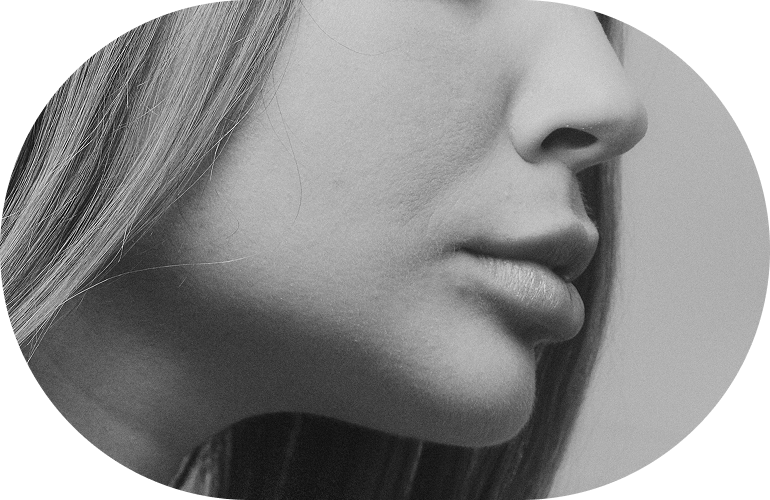
Neck Rejuvenation
Facial aging often extends to the neck, where loose skin, excess fat, and muscle banding can create a less defined profile.
For many patients, combining a facelift with a neck lift creates the most balanced and harmonious result.
Neck rejuvenation may involve:
- Tightening neck muscles (platysmaplasty)
- Removing excess skin
- Contouring fat beneath the chin
- Restoring a defined jawline and neck angle
Treating both the face and neck together helps ensure that rejuvenation appears balanced and natural.
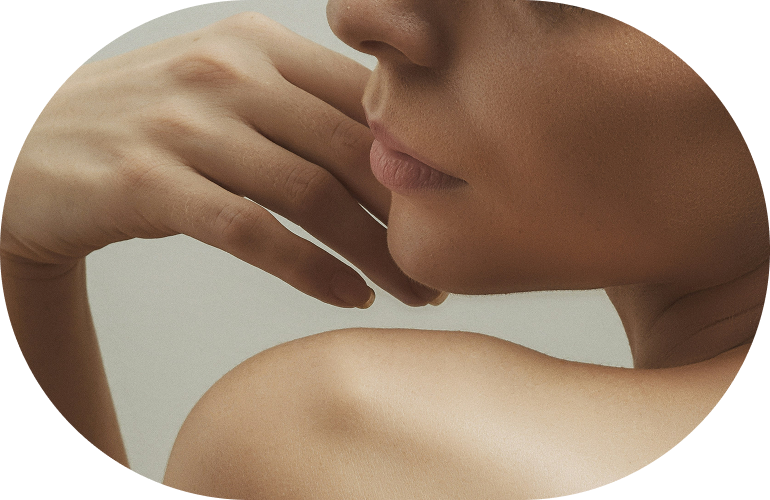
Complementary Procedures
A facelift addresses the lower face and neck, but many patients choose to combine it with additional procedures for more comprehensive facial rejuvenation.
These may include:
- Eyelid Surgery (Blepharoplasty) to rejuvenate tired-looking eyes
- Fat Transfer to restore lost facial volume
- Brow Lift to elevate a heavy or drooping brow
- Laser or Skin Resurfacing to improve skin quality and fine wrinkles
During your consultation, Dr. Jalil will assess your facial structure and discuss whether combining procedures could enhance your overall result.
Benefits of a Facelift
- Restores youthful facial contours
- Reduces sagging skin and jowls
- Improves jawline definition
- Tightens loose neck skin
- Softens deep facial folds
- Creates natural-looking, long-lasting rejuvenation
- Enhances confidence and overall facial harmony
A properly performed facelift should leave patients looking rested, refreshed, and naturally rejuvenated.
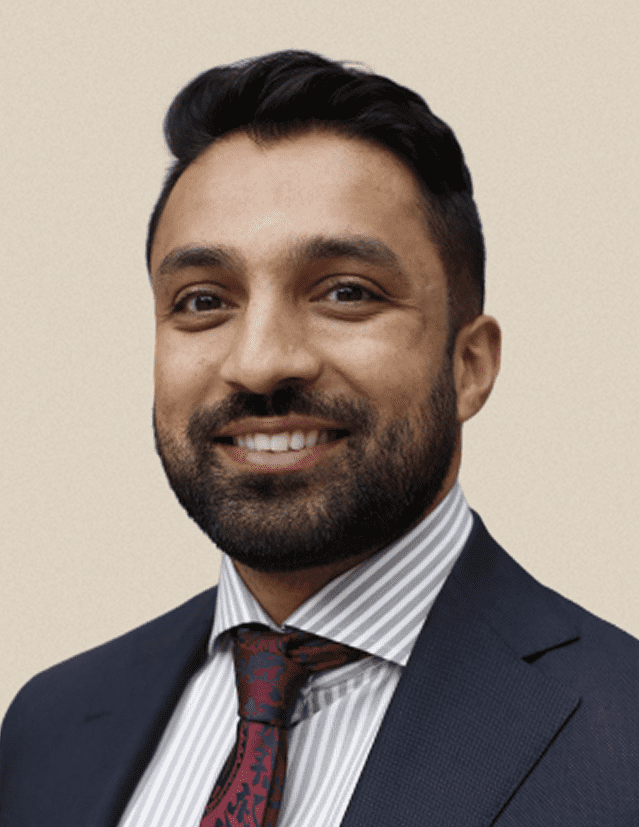
Why Choose Dr. Jalil at Aspect Plastic Surgery?
Dr. Jalil is a Board-Certified Plastic Surgeon in both Canada and the United States, with extensive training in cosmetic and reconstructive surgery. His experience across leading training programs in Canada and New York City has provided advanced expertise in modern facial rejuvenation techniques.
With thousands of successful procedures performed, Dr. Jalil approaches every surgery with precision, artistry, and a deep respect for natural facial anatomy.
At Aspect Plastic Surgery, the goal is not simply to reverse the signs of aging, but to create results that are elegant, balanced, and authentically natural.
Your Personalized Facelift Journey

A Comprehensive Consultation
Your consultation with Dr. Jalil begins with a detailed discussion about your goals, concerns, and medical history.
A full facial analysis will evaluate:
- Skin elasticity
- Bone structure
- Fat distribution
- Muscle tone
- Areas of tissue descent
Based on this assessment, Dr. Jalil will design a customized surgical plan to achieve the most natural and balanced outcome.

Careful Preparation
Once your surgical plan is finalized, our team will guide you through pre-operative preparation. This includes medical evaluation, medication review, and detailed instructions to optimize healing.
Planning ahead for recovery — including arranging time off work and assistance at home — helps ensure a smooth and comfortable healing experience.

Surgery in a Trusted Facility
Facelift surgery is performed under general anesthesia at a fully accredited surgical centre near our Yorkville clinic at 7 St Thomas St, Toronto.
Dr. Jalil works alongside experienced anesthesiologists and surgical teams dedicated to maintaining the highest standards of safety and patient care.

Healing With Expert Support
Most facelift patients take two to three weeks of downtime to recover from swelling and bruising.
Early recovery typically involves:
- Mild to moderate swelling
- Temporary bruising
- Tightness around the face and neck
Our team provides detailed recovery instructions and ongoing follow-up visits to support your healing.
While most visible swelling resolves within several weeks, the final results gradually refine over three to six months, revealing smoother, more youthful facial contours.
Before & After Gallery
Schedule Your Facelift Consultation
If you are considering facial rejuvenation, we invite you to schedule a private consultation at Aspect Plastic Surgery in Toronto.
During your consultation, Dr. Jalil will carefully assess your facial anatomy, discuss your goals, and design a personalized treatment plan to restore youthful definition and harmony.
Facelift FAQ
General Questions
What is a facelift?
A facelift is a surgical procedure designed to restore youthful contours of the face by lifting sagging tissues, tightening underlying facial structures, and removing excess skin. At Aspect Plastic Surgery in Toronto, Dr. Jalil performs advanced facelift techniques to create natural-looking rejuvenation while preserving your unique facial features.
What signs of aging can a facelift treat?
A facelift is designed to address sagging skin in the lower face, jowls along the jawline, deep creases around the mouth, and loose skin in the neck. By repositioning deeper tissues, the procedure restores definition and smooth facial contours.
Is a facelift the same as a neck lift?
No. A facelift focuses primarily on the lower face, including the cheeks and jawline, while a neck lift targets loose skin, fat, and muscle banding in the neck. Many patients choose to combine the two procedures for more balanced rejuvenation.
What is the medical term for a facelift?
The medical term for a facelift is rhytidectomy. This term refers to a surgical procedure that corrects facial wrinkles and sagging skin caused by aging.
How long does facelift surgery take?
Facelift surgery typically takes between 3 and 5 hours, depending on the surgical technique used and whether additional procedures are performed at the same time.
Will a facelift make me look different?
The goal of modern facelift surgery is to help you look refreshed and more youthful — not different. At Aspect Plastic Surgery, Dr. Jalil focuses on restoring natural facial contours rather than creating an overly tight or artificial appearance.
Is facelift surgery safe?
Yes. When performed by a qualified plastic surgeon in an accredited surgical facility, facelift surgery is considered very safe. Patient safety is always the highest priority at Aspect Plastic Surgery.
At what age do most people get facelifts?
Most facelift patients are between 45 and 65 years old, though some individuals may benefit from surgery earlier or later depending on their facial anatomy and aging patterns.
Can men have facelifts?
Yes. Facelifts are increasingly popular among men who want to restore jawline definition and reduce sagging skin while maintaining masculine facial features.
How long do facelift results last?
Facelift results typically last 10 to 15 years, though this can vary depending on lifestyle, genetics, and skin quality. While the natural aging process continues, patients will always look younger than they would have without surgery.
Who is a Candidate?
Who is a good candidate for a facelift?
Good candidates for a facelift are individuals experiencing sagging skin, jowls, or loss of jawline definition who are in good overall health and have realistic expectations about the outcome of surgery.
Am I too young for a facelift?
Some patients in their early 40s consider a facelift if early sagging has developed. In these cases, a less extensive procedure such as a mini facelift may be recommended.
Am I too old for a facelift?
Age alone does not determine candidacy. Many healthy patients in their 60s or 70s successfully undergo facelift surgery. The most important factors are overall health and skin quality.
Can weight loss affect facial aging?
Yes. Significant weight loss can lead to facial volume loss and increased skin laxity, which may make a facelift beneficial for restoring facial contours.
Can men get facelifts?
Absolutely. Male facelift techniques are carefully adapted to preserve masculine features while improving jawline definition and reducing sagging skin.
Do I need significant sagging to benefit from a facelift?
Not necessarily. Some patients choose to have surgery when early signs of aging appear to maintain youthful contours rather than waiting for more advanced changes.
Can a facelift help with jowls?
Yes. A facelift is one of the most effective treatments for improving jowls by lifting and repositioning the tissues that have descended along the jawline.
What health factors determine candidacy?
Patients should be in good general health, free of serious medical conditions that impair healing, and ideally be non-smokers.
Do I need to stop smoking before surgery?
Yes. Smoking significantly increases the risk of complications and delayed healing. Patients are required to stop smoking at least 4–6 weeks before and after surgery.
What medical conditions may affect surgery?
Certain conditions such as uncontrolled diabetes, bleeding disorders, or heart disease may affect eligibility. These factors will be reviewed carefully during your consultation.
Procedures & Techniques
What types of facelift techniques exist?
Several facelift techniques exist, including SMAS facelifts, deep plane facelifts, and mini facelifts. Dr. Jalil will recommend the most appropriate approach based on your anatomy and aesthetic goals.
What is the difference between a mini facelift and a full facelift?
A mini facelift addresses mild sagging in the lower face with smaller incisions and shorter recovery time. A full facelift treats more advanced aging affecting the cheeks, jawline, and neck.
Where are facelift incisions placed?
Incisions are typically placed around the ears and within the hairline so they remain well hidden once healed.
Are the underlying facial muscles tightened?
Yes. Modern facelift techniques reposition and tighten the deeper support structures of the face to achieve long-lasting results.
Is fat repositioned during surgery?
Yes. Facial fat that has descended with age may be repositioned to restore youthful facial contours.
Can fat grafting be combined with a facelift?
Yes. Fat transfer can restore lost facial volume and is commonly performed alongside facelift surgery.
Are surgical drains used?
In some cases, small drains may be placed temporarily to prevent fluid accumulation. These are typically removed within the first few days after surgery.
Will my hairline change?
No. Incisions are carefully planned to preserve your natural hairline and avoid visible changes.
Can eyelid surgery be combined with a facelift?
Yes. Many patients combine facelifts with eyelid surgery or brow lifts for comprehensive facial rejuvenation.
Is general anesthesia required?
Most facelifts are performed under general anesthesia to ensure patient comfort and safety.
Recovery & Healing
What is the recovery time for a facelift?
Most patients take two to three weeks of downtime after facelift surgery before returning to work and social activities.
How painful is recovery?
Most patients experience mild to moderate discomfort during the first few days after surgery, which is well managed with prescribed medication.
When can I return to work?
Many patients return to non-strenuous work within 2–3 weeks, depending on swelling and bruising.
When can I exercise again?
Strenuous activity and exercise should be avoided for 4–6 weeks after surgery to allow proper healing.
How long does swelling last?
Most swelling improves significantly within the first few weeks, though subtle swelling may take several months to fully resolve.
When can I wash my hair?
Hair washing is usually permitted within several days after surgery once initial healing has begun.
Will I have bruising?
Some bruising is expected during the early recovery period, but it typically fades within one to two weeks.
Do I need to wear a compression garment?
Some patients wear a supportive facial garment for a short period after surgery to help reduce swelling and support healing.
How many follow-up visits are required?
Patients usually have several follow-up appointments over the first few months to monitor healing and ensure optimal results.
Will scars be visible?
Facelift incisions are placed in natural creases around the ears and hairline, making scars discreet and difficult to see once healed.
Results
When will I see final results?
Initial improvements are visible once swelling subsides, but final results typically appear between three and six months after surgery.
How long do facelift results last?
Facelift results often last 10 to 15 years, depending on lifestyle and skin quality.
Will I continue aging after surgery?
Yes. A facelift does not stop aging, but it resets the clock so you continue aging from a more youthful baseline.
Will people know I had surgery?
Most people simply notice that you look refreshed or well rested rather than recognizing that surgery was performed.
Are results natural-looking?
Yes. Modern facelift techniques focus on repositioning tissues rather than tightening skin alone, which helps maintain natural facial expression.
Can fillers still be used after a facelift?
Yes. Non-surgical treatments such as fillers or Botox can complement facelift results and maintain facial rejuvenation.
What happens if skin loosens again years later?
Over time, natural aging may cause some skin laxity to return. Minor treatments or additional procedures may be considered in the future.
Can weight changes affect results?
Significant weight fluctuations can affect facial contours and may influence long-term results.
Do scars fade over time?
Yes. Facelift scars typically fade significantly over time and become thin, pale lines that blend well with the natural skin.
How does Dr. Jalil ensure natural-looking results?
Dr. Jalil combines advanced surgical techniques, precise planning, and an artistic understanding of facial balance to create results that enhance your natural features rather than altering them.